Tiered Reward Systems in Hybrid Gaming Platforms Adjust Incentives by Player Segment
Written by Viktor Lange · Sep 30, 2026
Tiered Reward Systems in Hybrid Gaming Platforms Adjust Incentives by Player Segment
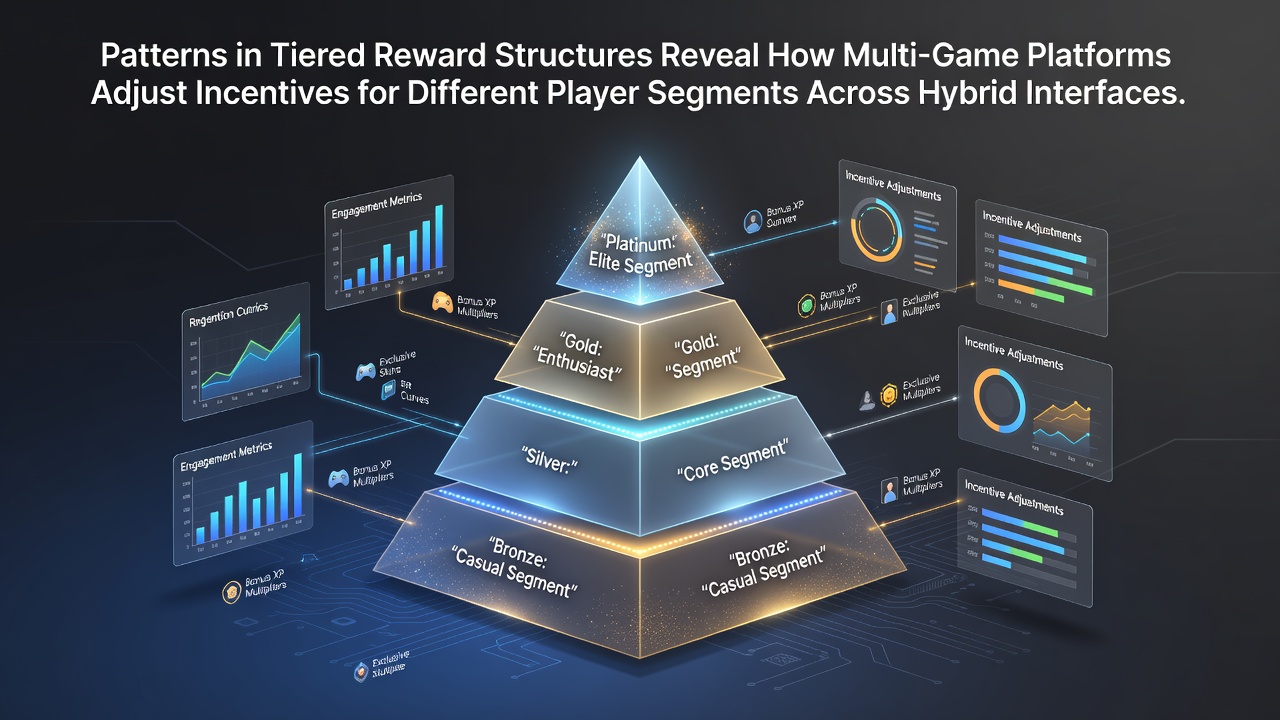
Multi-game platforms operate hybrid interfaces that combine sports betting with casino games, and tiered reward structures serve as the primary mechanism for adjusting incentives according to player behavior and spending patterns. Data collected from operational reports in September 2026 indicate that platforms segment users into categories such as casual participants, regular players, and high-value accounts, then apply differentiated bonus structures, cashback rates, and loyalty multipliers to each group.
Core Components of Tiered Reward Systems
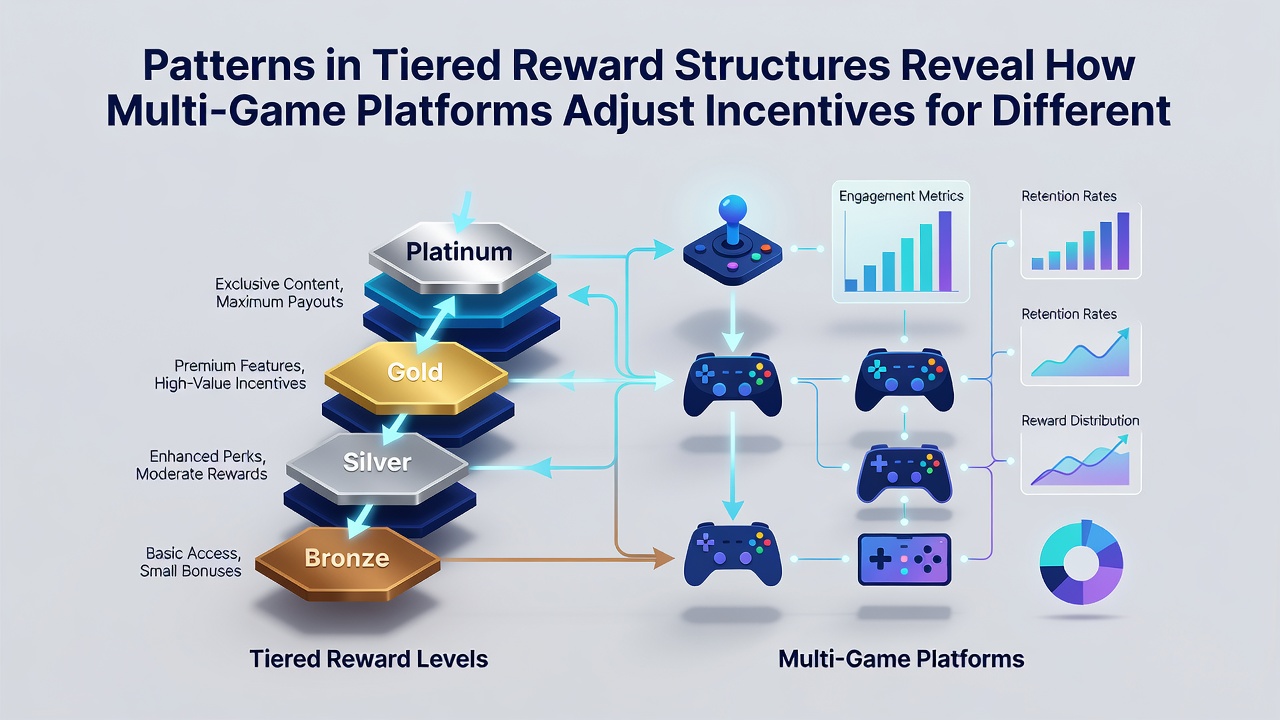
Platforms assign players to tiers based on metrics including deposit frequency, average wager size, and game variety across both sports and casino sections, while entry-level tiers typically grant access to standard welcome matches and free spin packages that apply uniformly. Higher tiers unlock progressive benefits such as elevated deposit bonuses, reduced wagering requirements, and personalized cashback percentages that increase with monthly activity thresholds. Researchers tracking these systems note that the progression often follows logarithmic scaling, where the jump from mid-tier to top-tier yields disproportionately larger reward uplifts to retain the most active accounts.
Hybrid interfaces add complexity because rewards must function seamlessly whether a player switches from placing a sports accumulator to spinning slots within the same session. Platforms therefore embed cross-product multipliers that credit activity in one vertical toward tier advancement in the overall ecosystem, creating unified progression paths that encourage exploration of both betting formats.
Adjustments Across Player Segments
Segment-specific adjustments appear most clearly in bonus allocation rules. Casual players receive time-limited offers tied to first deposits or initial sports wagers, whereas regular players encounter recurring reload bonuses calibrated to weekly deposit patterns and casino game preferences. High-value accounts receive bespoke incentives including higher cashback ceilings and invitations to exclusive tournaments that blend sports prediction challenges with casino table competitions.
Evidence from industry analytics platforms shows that platforms reduce the relative value of generic bonuses for top-tier players and replace them with tailored experiences such as dedicated account managers and flexible withdrawal limits. This shift occurs because data patterns reveal that high-segment users respond more strongly to status recognition and service customization than to percentage-based matches.
Interface Integration and Data Patterns
Hybrid interfaces generate distinct behavioral data streams that platforms feed into tier algorithms. Sports betting sessions produce volume-based metrics such as total stake and market diversity, while casino play contributes time-on-device and game-type distribution. Algorithms combine these inputs to determine tier eligibility and reward calibration, ensuring that a player who splits activity evenly between football betting and roulette receives balanced progression credit.
Patterns observed in September 2026 operational summaries reveal that platforms adjust incentive velocity seasonally, accelerating tier advancement during major sports events and slowing it during quieter casino-focused periods to maintain consistent engagement across the hybrid product set. Those who have studied platform dashboards report that A/B testing frequently validates these seasonal tweaks before full rollout.
Regulatory and Market Context
Regulatory frameworks in multiple jurisdictions require transparent disclosure of tier qualification criteria and reward terms. According to reports issued by the American Gaming Association, operators must publish clear advancement rules to prevent misleading claims about bonus availability. Similar guidance appears in Australian regulatory updates that emphasize equitable access to tier benefits regardless of product preference within hybrid environments.
Academic studies from Canadian research institutions further document how segmentation algorithms influence player retention rates across different wager sizes. These studies track longitudinal data and find that tiered incentives produce measurable differences in session length and cross-product migration when properly calibrated to segment profiles.
Conclusion
Tiered reward structures continue to evolve as the central tool multi-game platforms employ to align incentives with the distinct behaviors of casual, regular, and high-value player segments operating across hybrid sports and casino interfaces. Data patterns from September 2026 demonstrate consistent application of differentiated bonuses, progression rules, and cross-product credits that respond to activity metrics collected in real time. As platforms refine these systems, the underlying segmentation logic remains grounded in observable performance indicators rather than uniform offers, producing measurable variation in how different player groups experience reward value.