Mapping Interconnected Incentive Mechanisms Across Licensed British Mobile Platforms
Written by Viktor Lange · Sep 2, 2026
Mapping Interconnected Incentive Mechanisms Across Licensed British Mobile Platforms
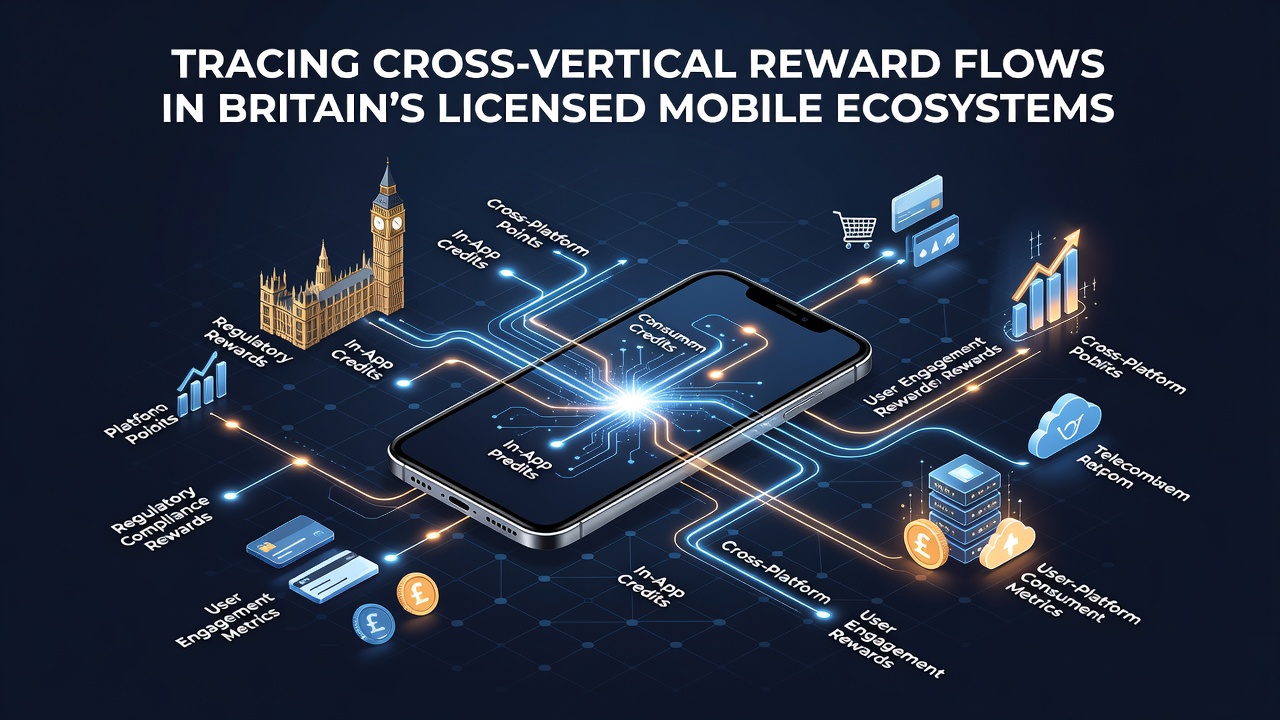
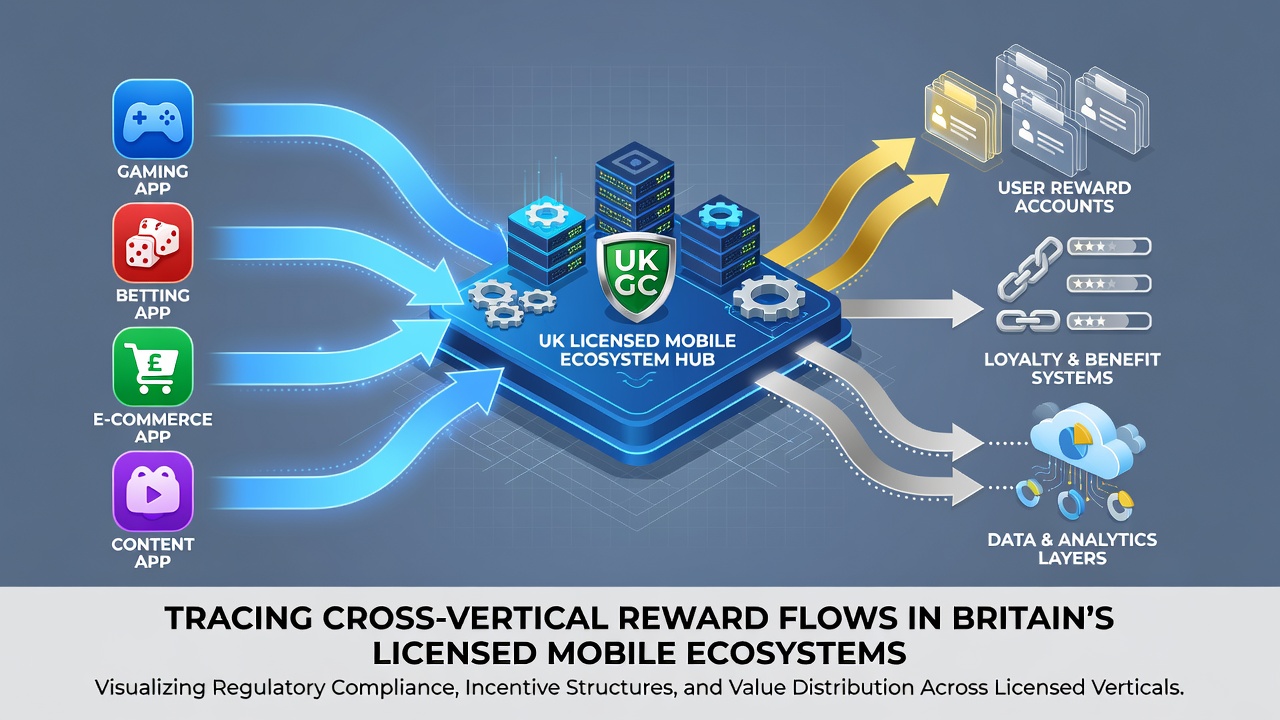
Operators in Britain's licensed mobile sector track reward movements that originate in one service category and transfer to another, creating traceable flows that link sports, gaming, and entertainment verticals within single applications. Data from platform analytics shows these transfers occur through unified user accounts where points earned from one activity convert into credits usable elsewhere, and system logs record each step to maintain regulatory compliance. Research indicates that such cross-vertical mechanisms rely on centralized databases that update in real time as users switch between features.
September 2026 brought increased attention to these systems as mobile traffic volumes rose and operators adjusted integration protocols to handle higher volumes of reward redemptions. Platform developers implemented additional verification layers that confirm eligibility before any transfer completes, and third-party auditors examined sample transaction records to verify accuracy. Those who study these ecosystems note that the underlying architecture uses API connections between vertical modules, allowing seamless movement while preserving separate accounting for each category.
Technical Pathways and Data Tracking
Engineers design mobile frameworks so that reward generation in a primary vertical triggers an immediate update in a shared ledger, and subsequent redemptions in secondary verticals draw from the same balance after conversion rules apply. Studies from academic institutions reveal that conversion ratios often vary by vertical, with sports-related rewards sometimes carrying different multipliers than those from interactive games. Observers note that error-checking routines run continuously to prevent mismatches, and flagged discrepancies trigger manual reviews by compliance teams.
One documented case involved a user who accumulated incentives through repeated participation in live events, then shifted the balance to another category where the platform applied an automated adjustment based on current promotional parameters. The entire sequence remained visible in audit trails that regulators and operators both access during periodic assessments. What's interesting is how these flows depend on timestamp synchronization across servers located in different regions, ensuring consistency even during peak usage periods.
Industry reports highlight that mobile ecosystems licensed in Britain incorporate machine learning models to predict likely transfer patterns, which helps operators allocate resources and adjust offer structures in advance. These models draw on historical data sets that capture millions of individual movements, and teh outputs feed into dashboard interfaces used by operations staff. Researchers at institutions outside the UK have examined similar setups in other jurisdictions and found comparable reliance on real-time reconciliation to avoid balance discrepancies.
Regulatory Context and External Oversight
Licensing conditions require operators to maintain detailed records of every reward movement, and external consultants periodically test the integrity of those records through sample audits. According to findings published by the International Gaming Institute at UNLV, effective tracking reduces the risk of unauthorized transfers while supporting transparent reporting to oversight bodies. The process involves encryption standards that protect user data during each handoff between verticals, and access controls limit which staff members can view complete flow histories.
Additional analysis from Canadian research groups shows that cross-vertical systems benefit from standardized data formats that allow different operators to share aggregated insights without exposing individual account details. In Britain, these practices align with broader digital economy requirements that emphasize data portability and user consent management. Platform updates released in 2026 introduced enhanced consent dashboards that let users review and manage how their accumulated incentives move across categories.
Future Developments in Reward Integration
Developers continue to refine the underlying code that governs reward flows, and testing phases scheduled for late 2026 aim to introduce more granular controls over conversion timing. Those who've examined pilot programs report that shorter settlement windows between verticals improve user retention metrics, while longer windows provide additional fraud detection opportunities. The ball remains in the court of technology providers to deliver solutions that balance speed with security across increasingly complex mobile environments.
Evidence suggests that continued investment in these tracking capabilities will support the sector's growth as more users engage with multiple verticals from single devices. Reports compiled by international trade organizations emphasize the importance of interoperability standards that prevent fragmentation when new verticals enter licensed mobile ecosystems.
Conclusion
Tracing cross-vertical reward flows reveals a structured process built on interconnected databases, real-time updates, and layered compliance checks that together maintain order within Britain's licensed mobile platforms. The mechanisms described operate through documented technical pathways that support both operational efficiency and external oversight requirements, and ongoing refinements scheduled through 2026 point toward further integration of predictive tools and consent features. Data from multiple sources continues to shape how these systems evolve while preserving the core principles of traceability and accountability.