Consumer Shifts Toward Mobile Devices Drive Expansion in UK Gambling Platforms
Written by Harper Günther · Aug 26, 2026
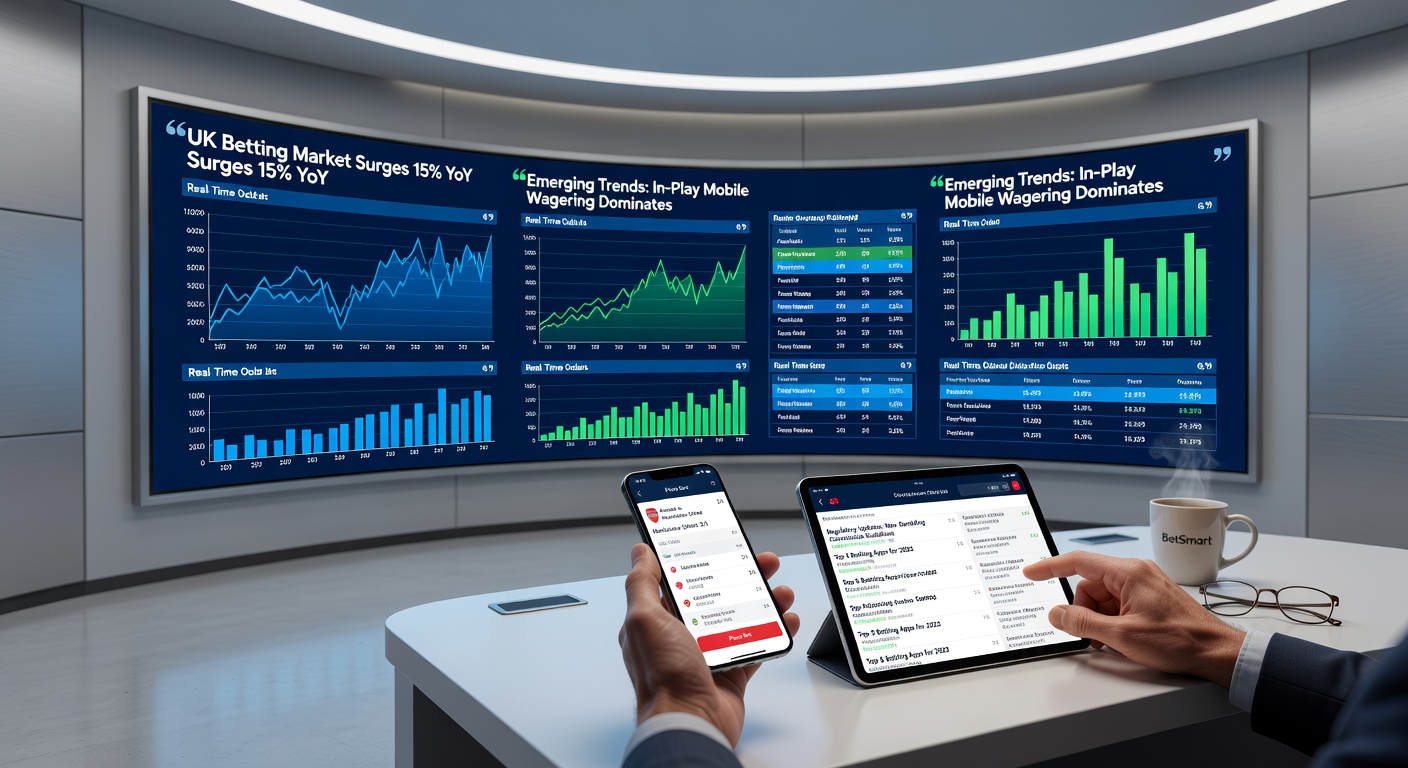
Consumer Shifts Toward Mobile Devices Drive Expansion in UK Gambling Platforms
Consumer habits across Great Britain continue to evolve around smartphones and digital routines, and these patterns now connect directly to growth in the regulated gambling sector. Data from the year ending March 2025 shows the market produced £16.8 billion in gross gambling yield, a figure that reflects increased participation through mobile channels rather than traditional methods. Observers note that everyday device usage for live sports engagement, in-play betting, and instant payments has integrated betting activities into regular digital workflows for many users.
Mobile Usage Patterns Reshape Engagement
Research indicates that smartphone penetration has altered how people interact with sports content and betting options. Live streams on mobile devices allow users to follow events while placing wagers in real time, and seamless payment systems reduce friction during these sessions. Studies found that interactive features on gambling platforms mirror the same interfaces people already use for banking, shopping, and social media, which lowers the barrier between daily digital tasks and betting activities. Those who track market trends point out that this alignment creates sustained activity because mobile routines already occupy significant portions of the day.
Figures reveal steady growth in remote gambling segments compared with non-remote options. Mobile betting applications support in-play markets that update continuously during matches, and users can switch between viewing highlights and adjusting bets without leaving the app environment. Data shows this convenience factor contributes to higher session frequency among participants who previously engaged only through desktop or physical locations.
Payment Integration Supports Sustained Activity
Seamless mobile payments represent another driver behind the reported yield. Users complete deposits and withdrawals through stored credentials on their devices, and these transactions occur alongside other routine financial interactions. Experts have observed that frictionless systems encourage smaller, more frequent bets rather than larger single wagers, which aligns with broader patterns of micro-transactions seen across digital commerce. The £16.8 billion gross gambling yield incorporates revenue from these mobile-driven activities across sports betting, casino games, and other licensed offerings.
Platform operators have adjusted features to match these behaviors. Real-time notifications about live events reach users through the same channels as news alerts or messaging apps, and this integration keeps betting visible within normal phone usage. Researchers discovered that such notifications correlate with increased in-play participation rates during major sporting events, as users receive updates without needing to open separate applications or websites.
Regulatory Context Around the Reported Figures
The Gambling Commission oversees the data collection that produced the £16.8 billion figure for the year ending March 2025. Licensed operators submit returns that separate remote and non-remote activity, and the statistics highlight how mobile and interactive segments now account for the majority of yield. Those who analyze these reports note that consumer adoption of smartphones for multiple purposes has created overlapping time slots where betting fits naturally into existing digital habits.

Further examination of participation data shows that live sports engagement on mobile devices often precedes betting activity. Users who stream matches through apps encounter betting prompts within the same interface, and the transition between viewing and wagering requires minimal additional steps. Evidence suggests this proximity between content consumption and betting options contributes to the overall market expansion reflected in the annual yield total.
Market Implications of Digital Routine Alignment
Operators continue to refine mobile interfaces to accommodate these established patterns. Features such as quick-stake buttons, live score overlays, and one-tap payments mirror the design language of popular non-gambling applications, and this consistency reduces the learning curve for new users. Data from the reporting period indicates that remote gambling channels captured the largest share of the £16.8 billion yield, underscoring how smartphone-based routines now represent the primary access point for many participants.
Payment providers integrated into gambling apps support multiple funding sources, and users manage these transactions within the same security frameworks they apply to other financial apps. Observers note that this shared infrastructure supports higher volumes of smaller transactions throughout the day, which accumulates into significant yield when measured across the full year. The alignment between everyday digital payments and betting deposits therefore forms a structural element behind the recorded growth.
Conclusion
The £16.8 billion gross gambling yield for the year ending March 2025 illustrates how shifts in smartphone usage for live sports, in-play betting, and mobile payments have become embedded in consumer routines. Regulatory data confirms that remote and interactive features now drive the majority of activity within Great Britain’s licensed market. As mobile devices continue to serve as central hubs for multiple daily functions, the patterns documented in this reporting period provide a clear view of how gambling platforms have adapted to existing digital behaviors rather than creating entirely separate engagement pathways.